

Implementing Partner:Angel Support Foundation
Grant Advisor: Â Dr. Nnimmo Bassey
With Funding Support From: 
Activities: ÂAdvocacy, Workshop on Environmental Risks, Workshop on Environmental Monitoring and Training on Sustainable livelihoods.
Reporting Period: ÂMay – July, 2024
| REPORT OVERVIEW |
| Introduction: ÂThe emergence of mining ventures in the Logo Local Government Area of Benue State has presented a critical issue characterized by a deficiency in knowledge and instruction among women and young people about environmental safety. This problem is made worse by the lack of organized community development projects, which puts the local ecosystem and residents’ health in danger. The lack of a comprehensive community development agreement and the requirement for comprehensive education programmes that primarily target women and youth highlight a serious issue that needs to be addressed immediately. The community lacks awareness of the possible environmental consequences of mining operations, despite the financial advantages linked to them. The lack of youth and women-focused education programmes feeds the loop of low awareness and makes it more difficult for the community to take proactive steps toward environmentally responsible behaviour. In addition, the absence of a clear community development agreement makes it more difficult to take advantage of the mining-related potential for long-term growth and rising living standards, etc. A multifaceted strategy is proposed to address this issue, one that incorporates environmental education for women and youth to strengthen their resolve to the protection of their environment. Objectives: Overall Aim: To foster a strong, ecologically conscious community where women play a key role in identifying, monitoring, and reducing the environmental risks associated with mining activities, in line with Sustainable Development Goal 13 (Climate Action). Specific Objectives:
Expected Outcomes:
Methodology: The ASF team utilized a blend of community mobilization, engagement sessions and participatory workshops for their advocacy efforts, engaging 100 community members. A one-day workshop, facilitated by National Environmental Regulation Enforcement Agency (NESREA) representatives, featured presentations, interactive discussions, and feedback sessions aimed at educating participants on the environmental risks of mining and providing advocacy tools to promote sustainable practices and develop a community agreement for regulating mining activities. Additionally, a dedicated session for 110 women focused on sustainable farming techniques, employing lectures, group discussions, practical demonstrations, handouts and visual aids to ensure clear comprehension and practical application. All discussions were conducted in the English and Tiv languages to enhance understanding. |
| IMPLEMENTED ACTIVITIES |
| 1.0 Stakeholder Advocacy and Community Entry ● May, 2024; Advocacy to critical stakeholders to facilitate community entry and ensure project acceptance among 100 stakeholders was conducted in June 2024. ● Advocacy Meetings were held for three days with 100 community members, including leaders in Ukemberga Tswarev, Mbagber, Mbayam, and Tombo. ● The project Lead presented the project’s objectives and relevance to the community, highlighted the importance of addressing mining impacts and building community resilience. ● The participants were sensitized on the dangers posed by mining to the environment and human health, with a focus on long-term impacts. ● Discussions were initiated by ASF team on the need for a community development agreement to regulate mining activities in a manner that benefits the community. ● A community development agreement Committee was set up with members comprised of the Traditional Ruler of Logo, 4 district heads, 4 Clan Head, 2 religious leaders, Lawyer, 4 women leaders and 4 Youth leaders. ● Feedback was collected to understand community concerns. 2.0 EnvironmentalMonitoring Workshop ● May 2024, a total of 110 women from Ukemberga Tswarev, Mbagber, Mbayam, and Tombo in Ugba LGA were trained to identify, monitor and adapt to environmental changes caused by mining activities, focusing on safety and environmental protection. ● Prior to the training outreach efforts were made to gather 110 women from the targeted communities. ● A one-day workshop event was conducted with NESREA representatives Mr. Tersoo Iorpav as facilitator. ● A detailed presentation on the environmental impacts of mining and the role of community members in environmental protection. ● Also, practical training on how women can advocate for their right and also advocate for mining regulations with mining operators were carried out. 3.0 Sustainable Livelihoods Training ● June, 2024 Training sessions were organized on sustainable agricultural practices and skill acquisition for 110 women from Ukemberga Tswarev, Mbagber, Mbayam, and Tombo in Ugba LGA, offering viable alternatives to mining-related work. ● The interactive session focused on practical sustainable farming methods and the importance of farm registers was facilitated by Mr. Anngu Orngu. ● The session began with an overview of the project and the objectives of the training. The facilitator provided insights into sustainable farming techniques highlighting organic farming, crop rotation, soil conservation and water management. ● Participants were taught the importance of maintaining a farm register to track income, expenditures and yields for better farm management. ● Participants were encouraged to ask questions and share their experiences related to agricultural practices and the impact of mining on their farms. ● The women were divided into small groups to discuss how mining activities have affected their farming practices and how they could implement the new techniques they learned. ● The session concluded with feedback from the women, where they expressed their opinions and commitment to implementing the knowledge acquired. 4.0 Youth Focused Town hall meeting on Environmental Risks ● July 2024, Town hall meeting was held with 110 young people and community leaders from Ukemberga Tswarev, Mbagber, Mbayam, and Tombo in Ugba LGA to educate them on the environmental risks associated with mining activities in their communities. ● There was a detailed presentation on the environmental impacts of mining. Discussions were open to community members to share on the harmful practices of mining activities experienced in their community and the role of community members in environmental protection. ● The sessions were facilitated by Environmental experts and trainer from NESREA Mr. Finbar Terseer |
| SUCCESSES RECORDED |
| ● Successful community entry and buy-in from 100 stakeholders represented from each of the working community. As a result of the directive of the government to put on hold all mining activities, and having observed the negative impact of mining community members and leaders showed a lot of interest in the project and also in the development of an agreement to regulate mining and protect their environment. ● The community leaders and members welcomed the ENCREP project and showed strong support for future engagements. ● The engagements successfully raised awareness among community leaders and members about the negative impacts of mining, prompting community members to reconsider current practices. ● Community leaders expressed interest in developing a formal community agreement to regulate mining and protect the environment. ● Participants reported a clearer understanding of how mining activities affect their environment and livelihoods. They were equipped with knowledge on how to advocate for sustainable practices and protect their community. ● The workshop fostered community involvement with women identifying actionable steps to address the environmental impacts of mining and also how to advocate for their rights. ● A community development Agreement (CDA) was developed to manage relationships between miners and the community ensuring environmental protection and social responsibility. ● 110 women empowered as environmental monitors. ● A total of 110 women from the four communities attended the training on sustainable livelihoods, indicating strong community interest. The women gained new knowledge on sustainable agricultural practices and were eager to implement them on their farms. ● 110 women trained in sustainable livelihoods. |
| LEARNINGS |
|
| CHALLENGES |
|
| Next ACTION and RECOMMENDATIONS |
|
| CONCLUSION |
| The advocacy initiative in Ukemberga Tswarev, Mbagber, Mbayam, and Tombo communities successfully raised awareness of the environmental and health risks associated with mining activities. Community members responded positively and developed a draft of the community development Agreement was developed by the community to regulate mining practices and protect their environment from mining’s harmful impacts. The ENCREP workshop effectively initiated discussions about the environmental risks of mining and empowered women to take active roles in environmental protection. It laid the foundation for future actions, the ability to understand and monitor changes in their community and how to address them and the promotion of sustainable practices. The training on sustainable agricultural practices successfully provided women in Ukemberga, Mbagber, Tombo, and Mbanyam with practical skills to increase their resilience against environmental challenges from mining. The session empowered participants to adopt sustainable farming techniques and manage their farms more efficiently. However, continued advocacy and support are needed to address the broader environmental and economic issues faced by these communities. |
| APPENDICES |
Community Feedback: 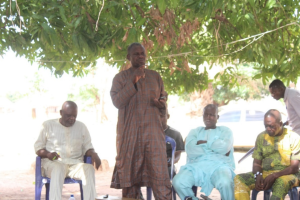 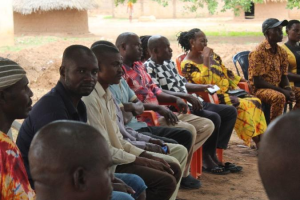 The participants were happy that they had a clear, better understanding of the workshop objectives, they were empowered with the knowledge to act and through the workshop they were able to develop actionable plans to help them address environmental impacts of mining properly in the community. 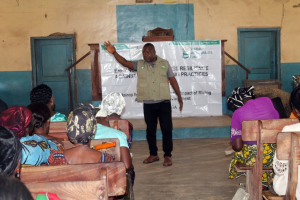 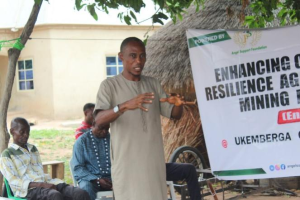 Feedback from participants The woman leader of Ukemberga community expressed her gratitude and happiness saying “I am so happy that ASF brought this initiative to us, it will help me to talk to other women about the effect of illegal mining in our village” The community women were so happy welcomed the initiative from ASF and commended them from bringing such initiative to their communities, they expressed their gratitude and pledged to share the knowledge they learnt from the training with other community women 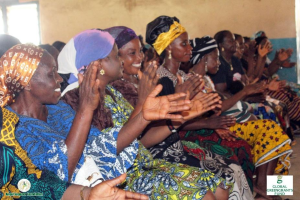 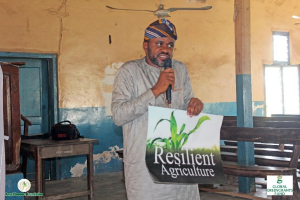 Feedback Summary Participants expressed gratitude for the training and committed to sharing the knowledge with other women in their communities. 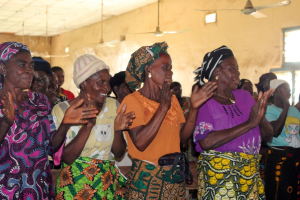 Conclusion The support from the Global Greengrants Fund significantly contributed to increasing awareness and capacity-building for environmental protection in Logo LGA. Community members, particularly women and youth, are now better informed and equipped to advocate for sustainable mining practices and alternative livelihoods. Continued engagement and support will be essential to sustaining the positive outcomes achieved through this initiative. Picture Link:See more activity photos |