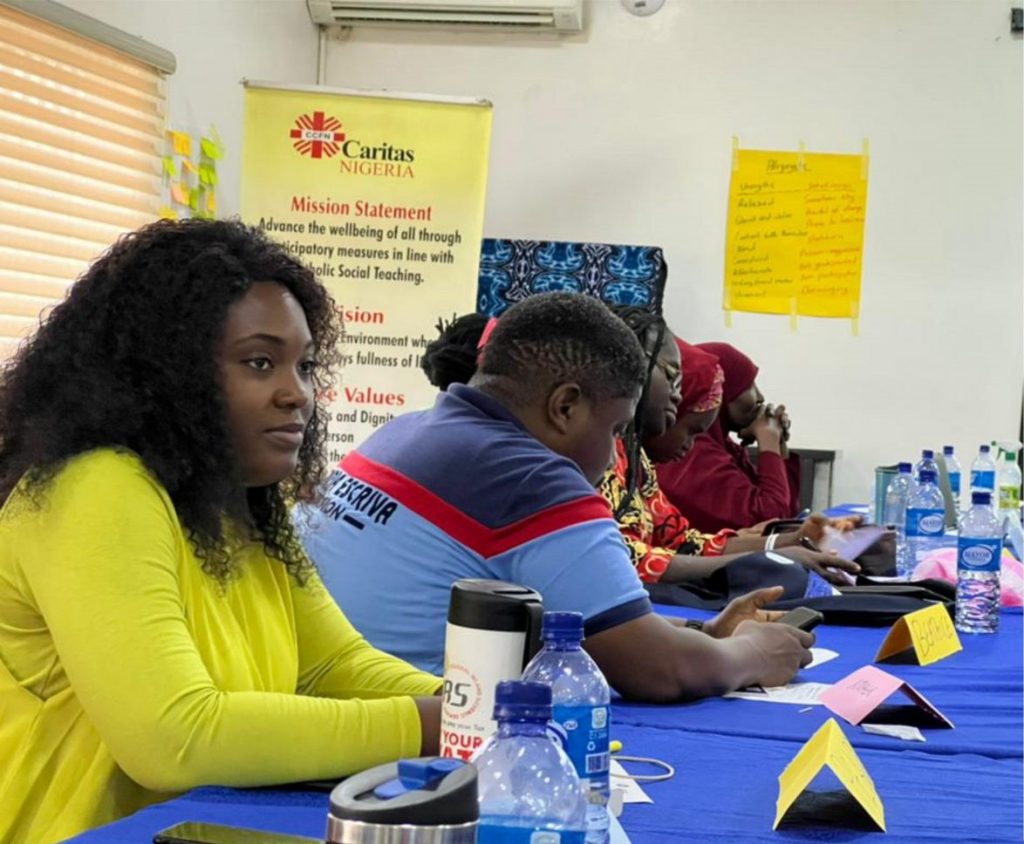
Caritas Nigeria with funding support from Palladium SCALE and USAID organized a training course for 30 CSOs in three states (Benue, Borno and Edo) across Nigeria. The training which commenced on 24th to 28th May 2022 focused on referral pathways and linkages of Sexual and Gender Based Violence and Child Early Forced Marriage (SGBV&CEFM).
OBJECTIVES OF TRAINING
The objective training course was:
· To standardize the operational process in making and receiving referrals and ensuring their completion.
· To support CSOs in mapping services and developing a comprehensive and active referral directory
· To ensure all referrals network members understand the purpose of the referral network, their role within it and the specific steps involved in making or receiving referrals and being an active participant within.
COURSE DISCUSSIONS
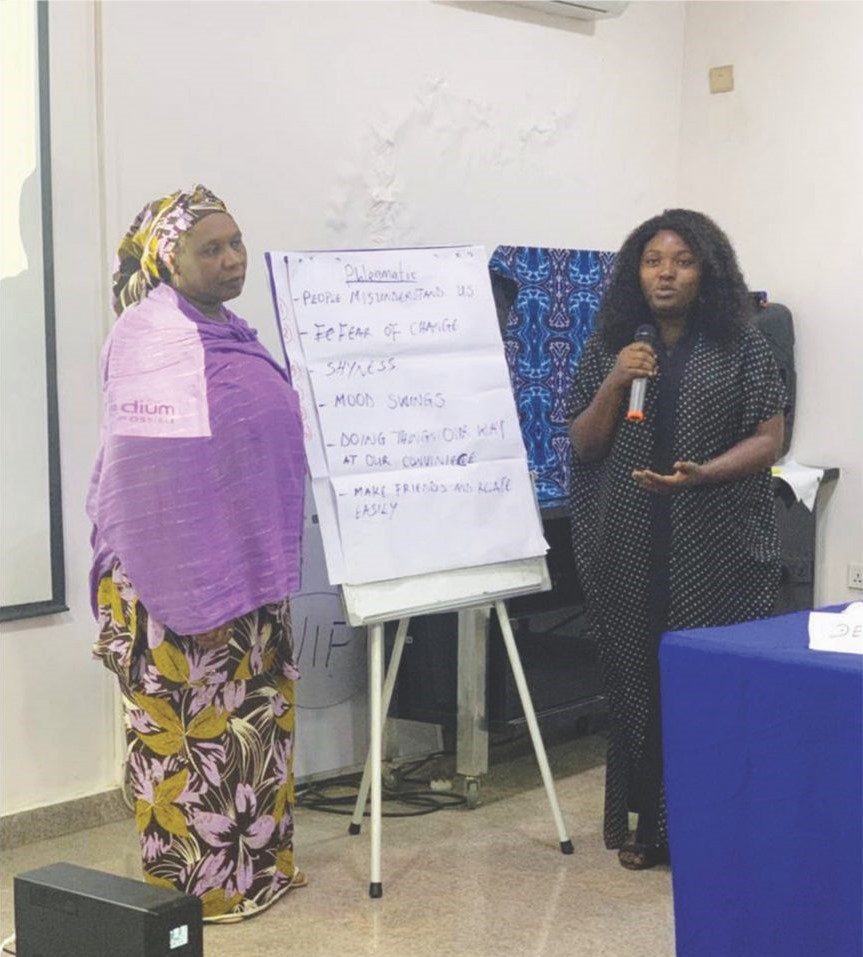
The course addressed were an overview of referral pathways, purpose of referral, overview of referral package supporting documents, multidimensional referral pathway, understanding temperament as it relates to workplace (which was a bonus session). There were group works, presentations and a role play on; the challenges of state GBV referral pathways and how to mitigate, role play on referral, creation of service maps and directory and referral networks, presentation of service maps and directories by all states (Benue, Borno and Edo).
KEY LEARNING
· In making or receiving referrals, prepare the minds of survivors to understand that there could be shared confidentiality along the engagement, in other to receive services with other professionals.
· Referrals are professional and not emotional, we need to do self-check on ourselves and our linkages before making referrals
· Know the limit which you can engage on a case and when you can do referral, also know when to delineate and cut across (network)
· A referral system must be in place for every organization as well as a referral focal person who must have the capacity to handle cases.
· Know the roles of your referees and their professionalism
· Have a referral register, referral form, incidence forms and trained personnel to be able to manage cases
· Have a written MOU with every organization you partner with as referral
· Have records of referrals made and cases received as well as follow up and stay updated on information shared or received, be timely, monitor the process to know the outcome.
· Develop a referral standard operating procedure (SOP)
· Referrals should be done systematically; rightly to meet the needs of survivors.
· It is the outcome; which is the actual benefit from the services provided that matters
· A referral budget line should be provided for all organizations
For an organization to have professionalism in referral, the following referral package supporting documents must be in place
· Standard Operating Procedures
· Service Directories/Map
· Client referral tools; consent forms and referral forms
· Referral Log Book
· Referral Registers
· Agenda Template
· Referral Coordinator Checklist
· TOR for Referral Coordinator
· Memorandum of Understanding (MOU)